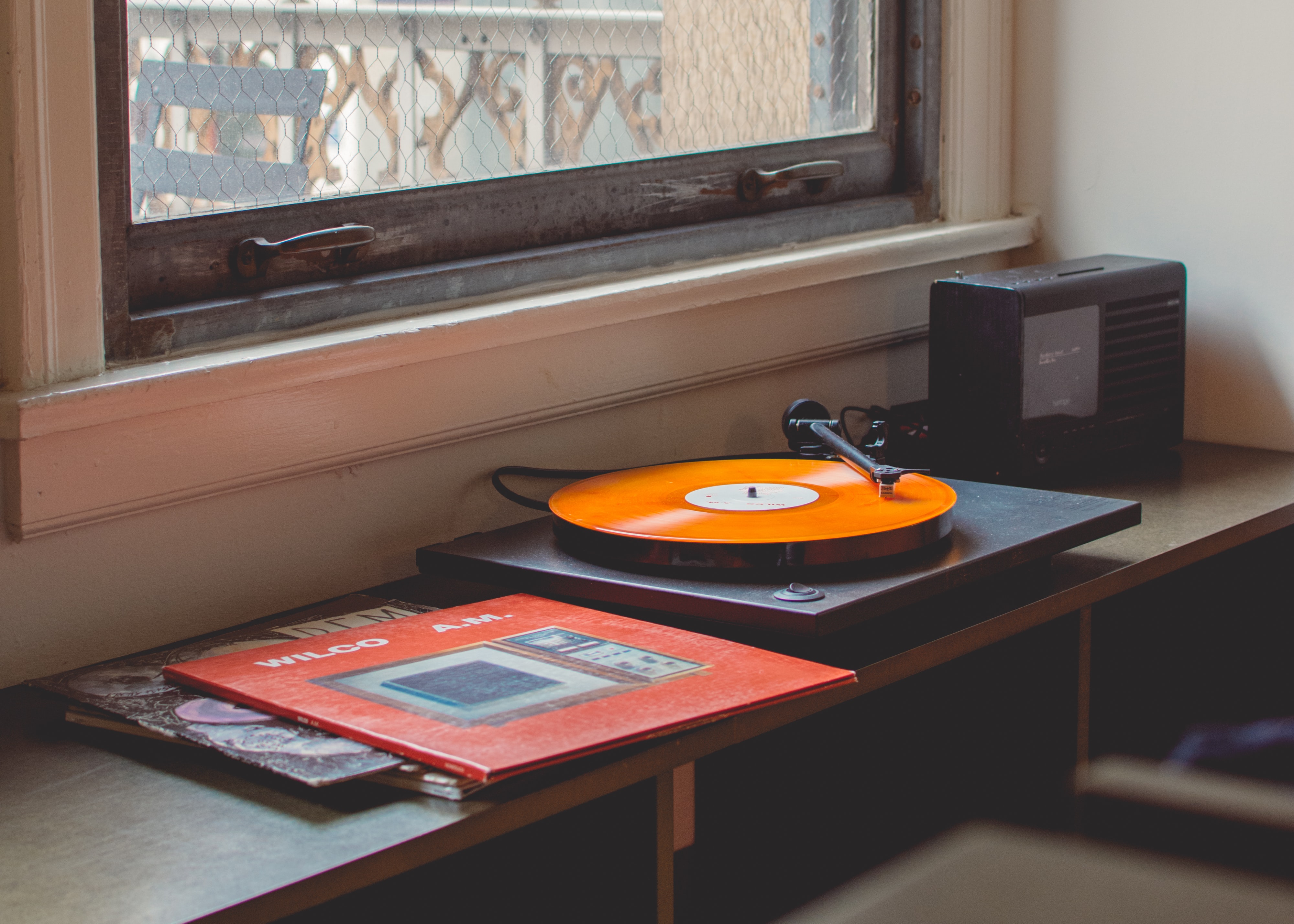
Snapcast is the quiet hero of Raspberry-Pi audio: one server streams a single source to every player on the network, and the players stay tight to within a few milliseconds. It is also, for anyone who has actually set it up, a pile of systemd units, ALSA sinks, and browser controllers that never quite look the way a household expects. When Snapcast starts feeling like more homework than home audio, these Snapcast alternatives keep the “one house, many speakers, my hardware” idea and package it more like a normal media system.
The 7 alternatives below were tested across a mix of Linux hosts, a Mac mini, and a small Windows box acting as a bedroom endpoint. Some are drop-in replacements for the Snapcast server; some replace the whole stack; one is a paid product for people who care more about sound than about hobbying.
Quick comparison
| App | Best for | Runs on | Open source | Playback protocol |
|---|---|---|---|---|
| Music Assistant | Snapcast plus a real music library | Linux, Docker, Home Assistant add-on | Yes (Apache 2.0) | Snapcast, Sonos, Chromecast, DLNA |
| Squeezelite / Lyrion | Longest-running Sonos alternative | Linux, Docker, Pi | Yes (GPL) | SlimProto |
| Volumio | Audiophile-grade multi-room | Pi, x86 | Free tier + paid | UPnP, AirPlay, Roon Bridge |
| Mopidy | Snapcast source with any backend | Linux, macOS, Pi | Yes (Apache 2.0) | Snapcast, MPD, HTTP |
| Roon | Sonos for people who own a DAC | Windows, macOS, Linux, ROCK | Paid | RAAT |
| Shairport Sync | AirPlay-first receiver | Linux, Pi | Yes (BSD) | AirPlay 1 / 2 |
| BubbleUPnP Server | DLNA/UPnP glue for anything | Linux, Docker, Windows | Free tier + paid | UPnP, Chromecast bridge |
Why people leave Snapcast
Reddit’s self-hosted and homelab communities keep repeating the same complaints. The web controller is functional but plain, so every household ends up wanting a proper mobile app. Setting up sources beyond MPD is a rite of passage, from Spotify Connect via librespot to running a separate PulseAudio server. And Snapcast’s model of “one stream, many players” makes zoned playback (kitchen playing news, bedroom playing music) a workaround rather than a first-class feature. Every alternative below solves at least one of these.
Music Assistant — Best for keeping Snapcast and losing the setup
Music Assistant speaks Snapcast as one of its player types, but adds a full music library, streaming service adapters, and a mobile-friendly UI. Run it standalone or as a Home Assistant add-on when smart-home tie-in matters.
Where it falls short: streaming service support depends on unofficial adapters that break when providers change their APIs.
Pricing:
- Free and open source under Apache 2.0.
- vs Snapcast: same underlying playback, much better front end.
Migrating from Snapcast: keep the Snapcast clients where they are, point Music Assistant at them as the server.
Download: music-assistant.io
Bottom line: the answer for households that already have Snapcast working and want it to feel like a normal music system.
Squeezelite / Lyrion — Best for the longest-lived alternative
Squeezelite with Lyrion Music Server (formerly Logitech Media Server) is the veteran of multi-room audio. Endpoints run everywhere, the server handles queueing and sync, and the community has kept it alive for two decades.
Where it falls short: the default web UI shows its age. Third-party apps handle mobile control better than the built-in one.
Pricing:
- Free and open source under GPL.
Migrating from Snapcast: replace the server and clients as a pair. Music library re-scans on first launch.
Download: lyrion.org
Bottom line: boring, stable, still the right answer for permanent installs.
Volumio — Best for audiophile-grade output
Volumio is a Debian-based audio OS that treats bit-perfect output and USB DAC support as first-class features. Multi-room works across a mesh of Volumio nodes, and the mobile app is one of the cleaner ones in the category.
Where it falls short: the free tier limits some features (Multiroom Premium is paid). Custom source integration is thinner than Mopidy’s.
Pricing:
- Free tier for local playback and basic streaming.
- Virtuoso and Superstar subscriptions unlock multi-room, Tidal Connect, and Qobuz.
Migrating from Snapcast: flash a Pi with Volumio, add it as a room, keep other rooms on Snapcast until Volumio takes over.
Download: volumio.com
Bottom line: pick this when the endpoints feed real speakers and DACs, not just kitchen fillers.
Mopidy — Best as a Snapcast source
Mopidy is a music server with plug-in backends for Spotify, YouTube, SoundCloud, TIDAL, and local files. It exposes an MPD-compatible protocol that Snapcast reads directly, so it is often the “what plays” half of a Snapcast rig.
Where it falls short: it is a component, not a whole system. It needs a Snapcast (or MPD-style) client to distribute.
Pricing:
- Free and open source under Apache 2.0.
Migrating from Snapcast: keep Snapcast, use Mopidy as the audio source instead of librespot or a bare MPD.
Download: mopidy.com
Bottom line: the extension for a Snapcast install that needs to play more than local files.
Roon — Best for people who own a DAC
Roon is a paid, closed-source ecosystem: one Roon Core runs on a NAS, Windows, macOS, or a dedicated ROCK box, and Roon Bridges distribute lossless audio to endpoints. The library metadata and playback quality are what customers pay for.
Where it falls short: yearly subscription. Hardware requirements for the Core are higher than Snapcast’s.
Pricing:
- Annual and lifetime subscriptions.
- vs Snapcast: pricier, but the endpoints and app quality are unmatched.
Migrating from Snapcast: Roon replaces the entire chain. Use existing Snapcast endpoints as fallback rooms during the transition.
Download: roon.app
Bottom line: the household where audio quality is a hobby, not the whole hobby.
Shairport Sync — Best AirPlay receiver
Shairport Sync turns any Linux box, including a Raspberry Pi, into an AirPlay 2 receiver. It handles sync across rooms when several receivers exist and integrates cleanly with Snapcast as one of its backends.
Where it falls short: only handles the receive side. Something else has to be the “source” (an iPhone, a Mac, or a headless client).
Pricing:
- Free and open source under BSD.
Migrating from Snapcast: run Shairport Sync alongside Snapcast, then let AirPlay-first devices drive playback.
Download: github.com/mikebrady/shairport-sync
Bottom line: the alternative for iPhone-heavy households that also want a Snapcast fallback.
BubbleUPnP Server — Best DLNA glue
BubbleUPnP Server turns a NAS or a small Linux box into a DLNA / UPnP renderer bridge, a Chromecast bridge, and an OpenHome server. It plays nicely with a broader mix of endpoints than Snapcast handles natively.
Where it falls short: the UI is Java-swing utilitarian. Best paired with the paid Android client.
Pricing:
- Free tier for the server.
- Paid Android client provides the full remote-control experience.
Migrating from Snapcast: run alongside Snapcast, then move rooms one at a time to whichever protocol they already support.
Download: bubblesoftapps.com
Bottom line: the pick for houses where the endpoints are a random mix of DLNA speakers, Chromecast Audio, and one older AVR.
How to choose
Pick Music Assistant if Snapcast already works and the missing piece is a decent front end.
Pick Squeezelite / Lyrion if the install should still be running in 2036 with the same hardware.
Pick Volumio if the endpoints are real speakers and USB DACs, not kitchen radios.
Pick Mopidy if the goal is to feed Snapcast from Spotify, YouTube, and TIDAL without writing glue code.
Pick Roon if lossless output and app polish are worth the subscription.
Pick Shairport Sync if iPhones drive most playback.
Stay on Snapcast if the current stack already covers every room and the only irritation is the UI, the alternatives cost more setup time than fixing the controller does.
FAQ
What is the best free Snapcast alternative?
Music Assistant for the whole system, Lyrion Music Server for a legacy-friendly all-in-one, Mopidy for a specific source layer.
Can I keep Snapcast and add another system on top?
Yes. Music Assistant, Mopidy, and Shairport Sync are commonly layered on top of an existing Snapcast install. Roon and Volumio typically replace the stack rather than layer on it.
Which alternative handles Spotify Connect?
Volumio, Music Assistant, and Mopidy (via mopidy-spotify) all support Spotify accounts, though features shift when Spotify changes their API. Roon speaks Spotify Connect through its own bridge.
What about Sonos?
Sonos itself is a fine choice for households that do not care about self-hosting. The alternatives here exist because Snapcast users typically do care.
Do any of these work on Windows?
BubbleUPnP Server, Volumio (via a Windows companion), and Roon run natively on Windows. The rest expect a Linux host or a Docker daemon.