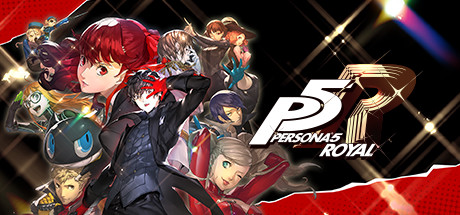
Persona 6 finally appeared in the Xbox Games Showcase, and the wait is going to be long. Persona 5 Royal is still on Steam, still the best-selling Persona on PC, and still a hundred-hour commitment, but the people who finished it three times are looking for the next thing. We tested seven Persona alternatives for PC: turn-based JRPGs with strong character work, social-sim hybrids, and stylish single-player experiences that share Persona’s DNA.
Quick comparison
| Game | Best for | Platforms | Free demo? | Standout |
|---|---|---|---|---|
| Metaphor: ReFantazio | Atlus’s other turn-based RPG | Windows | No | The Persona team’s fantasy follow-up |
| Sea of Stars | Pixel-art retro JRPG | Windows | No | Hand-drawn animation, timing combat |
| Octopath Traveler II | Eight protagonists, HD-2D | Windows | Yes (Steam) | Path actions, multiple endings |
| Yakuza: Like a Dragon | Modern setting JRPG | Windows | No | Turn-based combat, life-sim side activities |
| Chained Echoes | Indie SNES-era throwback | Windows | No | Tight 30-hour pacing |
| Like a Dragon: Infinite Wealth | The Yakuza follow-up | Windows | No | Hawaii dating sim included |
| Eiyuden Chronicle: Hundred Heroes | Suikoden’s spiritual successor | Windows | No | 120-character roster |
Why people leave Persona (temporarily)
Release cadence is glacial. Persona 5 Royal was 2019/2020 on consoles and 2022 on PC. Persona 6 is still distant.
The new game requires faith. Persona 6’s reveal trailer was short on gameplay and long on mood. Fans who wanted concrete gameplay specifics left the showcase with more questions than answers.
Endgame fatigue. Persona 5 Royal’s third semester adds a strong arc, but anyone who finished it for the third time is hunting for new emotional stakes, not optimal social link routing.
The social-sim half is hard to replace. Many JRPGs do combat well. The daily-schedule, build-relationships, balance-stats loop is a Persona signature, and replacements are rare.
The 7 best Persona alternatives for PC
Metaphor: ReFantazio — best for Atlus’s other turn-based RPG
Metaphor: ReFantazio is the Persona team’s high-fantasy answer to the question “what if we did this in a different setting?” The Archetype system is the new Persona summoning, the calendar pressure is back in a different form, and the political-allegory narrative carries a similar emotional weight to Persona 5. For Persona fans waiting on Persona 6, this is the closest you can get to the actual team’s current work.
Where it falls short: It is not Persona. Some of the lighter modern-Tokyo charm gets traded for fantasy serious-mode. Battles can feel long mid-game.
Pricing:
- Free: No demo
- Paid: Around $70 standard edition
vs Persona: Same studio, same designers, different genre framing. Closest sibling on this list.
Migrating from Persona: Calendar management instincts transfer. Combat is more strategic and less Press Turn-based.
Download: Steam
Bottom line: Pick Metaphor first. Skip it only if pure modern-day high school setting was the entire appeal.
Sea of Stars — best for pixel-art retro JRPG
Sea of Stars is a love letter to Chrono Trigger with timing-based combat that rewards real attention. The pixel-art animations are hand-drawn at a quality the SNES could not have rendered, the soundtrack pulls in Yasunori Mitsuda on guest tracks, and the campaign respects a player’s time at around 30 hours.
Where it falls short: Combat depth plateaus midway through. Story beats borrow heavily from the inspirations.
Pricing:
- Free: No demo
- Paid: Around $35 on Steam
vs Persona: Smaller, tighter, no social-sim layer. Pure JRPG pacing.
Migrating from Persona: Timed hits feel right within an hour. Lean into combos.
Download: Steam
Bottom line: Pick Sea of Stars for a 30-hour JRPG palette cleanser. Skip it if you need the calendar/social loop.
Octopath Traveler II — best for eight protagonists in HD-2D
Octopath Traveler II runs eight separate protagonist stories that converge late, each character’s path action mechanic changes how you engage with NPCs, and the HD-2D aesthetic still looks better than anything pitching itself as retro. Square Enix improved the criticisms of the first game: stories interweave more, the world feels less segmented.
Where it falls short: The intersect-late narrative still leaves some characters’ arcs lonelier than Persona’s party structure.
Pricing:
- Free: Steam demo available
- Paid: Around $60 standard edition, sales bring it lower
vs Persona: Eight perspectives instead of one. Less party-banter, more single-character depth.
Migrating from Persona: Plan the order you tackle stories. Treat each chapter as a contained Persona social link arc.
Download: Steam
Bottom line: Pick Octopath Traveler II for character-driven JRPG with strong visuals. Skip it if you wanted one protagonist’s growth arc.
Yakuza: Like a Dragon — best for modern-setting JRPG with side activities
Yakuza: Like a Dragon is the entry point for the turn-based Yakuza era. Combat is a job-class JRPG system over a Yokohama open-city setting with karaoke, can collecting, kart racing, dating-sim hostess clubs, and roughly thirty other minigames. The social-sim energy lives in the side activities; the main story is gangster-melodrama at its finest.
Where it falls short: Levelling curve has a difficulty wall around the midpoint that almost every player hits. Combat encounters can feel scripted.
Pricing:
- Free: No demo
- Paid: Around $30, sales below $15
vs Persona: Different tone (adult organized-crime vs. teen supernatural). Similar social-sim density in side content.
Migrating from Persona: Time investment is similar (50-70 hours). Embrace the minigames.
Download: Steam
Bottom line: Pick Yakuza: Like a Dragon for grown-up Persona energy. Skip it if you want pure fantasy.
Chained Echoes — best for indie SNES-era throwback
Chained Echoes is the indie SNES-era JRPG that should be on every Persona fan’s radar. The pacing is tight (around 30 hours), the combat system is genuinely fresh (overdrive mechanic), the writing has heart, and the soundtrack is excellent. It is the work of one developer and feels personal in the way Persona felt before it became a tentpole brand.
Where it falls short: It is unapologetically retro. Some Persona players find the lack of voice acting and modern animation a barrier.
Pricing:
- Free: No demo
- Paid: Around $25 on Steam
vs Persona: A fraction of the budget, a fraction of the length, a great chunk of the heart.
Migrating from Persona: Treat it as a vacation between bigger games. Easy to pick up and put down.
Download: Steam
Bottom line: Pick Chained Echoes for a focused indie JRPG between bigger games. Skip it if you only play AAA productions.
Like a Dragon: Infinite Wealth — best for the Yakuza follow-up
Like a Dragon: Infinite Wealth continues Ichiban Kasuga’s arc in Hawaii and includes Sujimon (a Pokemon parody mode), a full dating sim, a Crazy Delivery minigame, and the strongest Yakuza turn-based combat to date. For people who finished Like a Dragon and want more of the same with a beach setting, this is it.
Where it falls short: The post-game grind for the strongest equipment is intense. Some of the minigames overstay their welcome.
Pricing:
- Free: No demo
- Paid: Around $70 standard edition
vs Persona: Even denser side-activity layer than Like a Dragon. Calendar pressure absent.
Migrating from Persona: Plan to spend twenty hours just on side content. The main story is the appetizer.
Download: Steam
Bottom line: Pick Infinite Wealth if Like a Dragon hooked you. Skip it as a starting point; play Like a Dragon first.
Eiyuden Chronicle: Hundred Heroes — best for Suikoden’s spiritual successor
Eiyuden Chronicle: Hundred Heroes brings back the 120-character recruitment promise of the classic Suikoden games with HD-2D visuals and modern QoL. The party is six characters at a time, but the rotating cast means every dungeon can have a different team feel, and the castle-building mid-game gives a base-building hook.
Where it falls short: Pacing dips in the middle act. Some recruits are missable and frustrate completionists.
Pricing:
- Free: No demo
- Paid: Around $50 base
vs Persona: Massive cast over deep social links. Different design philosophy.
Migrating from Persona: Track recruits using a guide if you want to see them all. The combat feels familiar within an hour.
Download: Steam
Bottom line: Pick Eiyuden Chronicle for a Suikoden-style party assembly experience. Skip it if you want fewer, deeper characters.
How to choose
Pick Metaphor: ReFantazio first; it is the closest experience available. Pick Sea of Stars or Chained Echoes for shorter palette cleansers. Pick Octopath Traveler II for multiple-protagonist storytelling. Pick Yakuza: Like a Dragon or Like a Dragon: Infinite Wealth for the modern-setting JRPG with social-sim energy in the side content. Pick Eiyuden Chronicle: Hundred Heroes for a Suikoden-flavored big party JRPG.
Stay on Persona 5 Royal if the third semester replay still has something to teach you, or if you have not yet finished it once. The Royal additions are essentially a third campaign.
FAQ
Is Persona 5 Royal still worth playing in 2026? Yes. Royal is the definitive version, runs flawlessly on modern PCs, and the third semester delivers an arc nothing on this list matches. It is the natural starting point if you have not played it.
When is Persona 6 coming out? Atlus showed Persona 6 at the Xbox Games Showcase but did not announce a firm date. Treat it as forthcoming and watch official channels for the launch window.
What is the closest game to Persona on PC? Metaphor: ReFantazio. Same studio, same key designers, same calendar-pressure structure, different setting.
Are there any Persona games on Game Pass? Persona 5 Royal and Persona 3 Reload are on PC Game Pass with the right tier. Metaphor: ReFantazio joined PC Game Pass after the initial launch window.
Does Persona 5 Royal run on Steam Deck? Yes, with a Verified rating. It runs at locked 60 FPS on the Deck OLED at reasonable settings and is one of the best long-form JRPGs on the handheld.