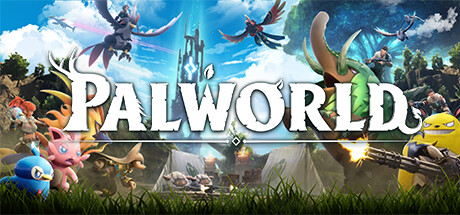
Palworld broke records on Steam in early 2024 and built a dedicated player base around its mix of open-world survival, automation, and creature collecting. Two years and several content drops later, the early-game novelty is harder to recapture, the multiplayer servers thin out between patches, and the late-game grind for high-tier Pals starts to feel familiar. We spent a few weeks across competing games to find the seven Palworld alternatives that stand on their own as desktop substitutes in 2026.
We weighted three things: monster or companion systems with real depth, survival or building loops that reward investment, and active development with regular patches. Some on this list lean closer to the survival crafting side of Palworld, others lean into the monster-catching half.
Quick comparison
| Game | Best for | Cost | Where to buy | Standout feature |
|---|---|---|---|---|
| ARK: Survival Evolved | Hardcore creature taming | $29.99 | Steam | 200+ tamable dinosaurs with breeding |
| V Rising | Vampire-flavored base building | $34.99 | Steam | Top-down combat with castle progression |
| Conan Exiles | Brutal survival with thralls | $39.99 | Steam | Combat-focused with thrall companions |
| Craftopia | Pocketpair’s earlier sandbox | $19.99 | Steam | Same studio, similar systems |
| Temtem | Online creature-catching MMO | $44.99 | Steam | Persistent online co-op campaign |
| Coromon | Classic monster taming reborn | $19.99 | Steam | Pixel-art Pokémon successor |
| Cassette Beasts | Fusion-based monster RPG | $19.99 | Steam | Combine any two monsters into one |
Why people leave Palworld on PC
The complaints repeat across r/Palworld, the official Discord, and Steam reviews:
The endgame loop runs out faster than the systems suggest
Once you have a Legendary base, a few Alpha Pals breeding, and Tower bosses cleared, the path forward narrows into raid grinding for incremental gear. Players who hit 200 hours start asking the same question on Reddit: what’s left to actually do?
Dedicated server hosting still trips up groups
Pocketpair has shipped fixes, but private servers still crash on world-save loops, and migrating a save between hosts often leaves Pals desynced or missing. Communities maintain wiki pages dedicated just to recovering broken worlds.
Pal balance updates land unevenly
A patch will overhaul one Pal’s work suitability and forget another. Forum threads track which Pals are currently meta for ranching vs. logging vs. raid DPS, and the meta shifts faster than the in-game tutorials adapt.
Performance varies by region and player count
Solo runs are smooth on midrange hardware, but eight-player co-op with full bases still chokes on otherwise capable rigs. The Unreal Engine 5 lighting passes are the usual culprit and tuning options are limited.
The alternatives
ARK: Survival Evolved — Best for serious creature taming
ARK: Survival Evolved is the game Palworld borrowed most openly from, and it remains the deepest creature-taming sim on PC. Studio Wildcard has shipped years of content, the modding scene is enormous, and breeding mechanics go far past anything Palworld currently offers. If you came to Palworld for the taming loop, ARK does that loop with more dinosaurs, more tribes, and more depth.
The tradeoff is the learning curve. Tame timers run hours, the UI is from 2016, and base PvP servers are still hostile to new players. The Survival Ascended remaster updated visuals and tamed (slightly) the worst onboarding edges, but this is a game that respects veterans more than it welcomes newcomers.
Where it falls short: The unmodded experience is hours of waiting and grinding. The DLC strategy splits the playerbase across maps. Visuals are improved on Ascended but still inconsistent in lighting and animation.
Pricing:
- $29.99 base game (Survival Ascended); frequent sales drop to $15
- Genesis Season Pass: $34.99 for original ARK
- vs Palworld: Pricier in season-pass form. Cheaper if you stick to the base game.
Switching from Palworld: Pal-style automation isn’t here. Tribes replace base-management Pals, dinosaurs do tasks via custom orders, and patience is the currency.
Download: Steam
Bottom line: Pick ARK if you want the deepest taming sim and don’t mind 2016-era UI. Skip if Palworld’s automation was the part you actually liked.
V Rising — Best for base building with bite
V Rising is a top-down vampire survival game with castle building, blood mechanics, and a boss-driven progression that compares well to Palworld’s tower-clear loop. The 1.0 release in 2024 added gameplay polish that made it one of the cleanest co-op survival games on PC. Solo runs work, two-to-four-player runs are where the game shines, and the PvP servers have an active competitive scene.
The art style is the most immediate departure from Palworld. Combat is fast, position-based, and rewards reading boss patterns the way Soulslikes do. There’s no creature catching in the Palworld sense, but vampire thralls and animal forms cover similar ground.
Where it falls short: No companion-collecting in the Pokémon sense. PvE worlds are smaller in scope than Palworld’s open island. Combat depth means the difficulty curve in the late game is genuinely demanding.
Pricing:
- $34.99 base game; routine sales to $20
- vs Palworld: Comparable price for a more focused experience.
Switching from Palworld: Top-down camera takes a session to acclimate to. Building is faster and tighter, with castle decay timers that need attention.
Download: Steam
Bottom line: Pick V Rising for tight co-op survival with deep combat. Skip if you came to Palworld specifically for the creature-collecting hook.
Conan Exiles — Best for combat-driven survival with companions
Conan Exiles has matured into one of the most feature-complete survival games on Steam. The thrall system gives you AI companions that fight, craft, and defend bases, which scratches the same itch as Palworld’s automation Pals without the cartoon aesthetic. Age of Sorcery and the Heroes of Hyboria updates added builds and skills that keep the combat fresh.
The mature setting and slower combat won’t suit everyone. PvP servers can be brutal, and the official servers still have decay timers that punish casual players who can’t log in daily. PvE-Conflict and private servers solve that.
Where it falls short: New player onboarding is rough. The DLC catalog is sprawling and many systems require buy-in. Performance on large bases still dips below 60fps even on good hardware.
Pricing:
- $39.99 base game; sales to $10
- DLC packs: $9.99 each, with frequent bundles
- vs Palworld: Pricier at full DLC, cheaper on sale.
Switching from Palworld: Thralls replace Pals as your AI helpers. Crafting tiers are deeper. Combat is closer to Dark Souls than to Palworld’s shooter feel.
Download: Steam
Bottom line: Pick Conan Exiles for combat-heavy survival with deep base-building. Skip if Palworld’s lighter, more colorful tone was what kept you coming back.
Craftopia — Best for Pocketpair fans
Craftopia is Pocketpair’s earlier sandbox and the most direct lineage to Palworld’s design DNA. The studio’s automation, monster-catching, and crafting systems all started here. It’s still in Early Access years later, which means rough edges and inconsistent polish, but the core loop is recognizably Palworld-adjacent and the price is hard to argue with.
The 2024 world-streaming overhaul rebuilt the underlying engine and made multiplayer sessions less janky. Content drops are infrequent now that the studio focuses on Palworld, but what’s there is enough for a 30-to-50-hour playthrough.
Where it falls short: Still Early Access with bugs that survive across patches. Multiplayer is fine but unpolished. Future updates are uncertain given the studio’s Palworld focus.
Pricing:
- $19.99 base game; sales to $10
- vs Palworld: Significantly cheaper but rougher.
Switching from Palworld: Many systems feel like a Palworld prototype. UI and onboarding are noticeably less polished.
Download: Steam
Bottom line: Pick Craftopia if you want the Palworld blueprint at a third of the price. Skip if polish matters more than novelty.
Temtem — Best for MMO-style monster catching
Temtem is the closest spiritual successor to a competitive Pokémon MMO that has shipped on PC. Crema has run a persistent online world with co-op campaigns, ranked PvP, and competitive seasons since 2022. If the monster-collecting half of Palworld was the draw, Temtem is built around that loop end to end, with no survival or crafting to dilute it.
The MMO infrastructure means there’s always something to do post-campaign: ranked, breeding for perfect stats, the FreeTem program. The competitive scene is small but stable, with patch notes and balance updates regularly.
Where it falls short: No open-world survival or base building. Subscription-style live-service updates are slowing as the team moves to other projects. Solo offline play isn’t on the table.
Pricing:
- $44.99 base game; sales to $20
- vs Palworld: Pricier at full but no Pass-style monetization.
Switching from Palworld: No survival or crafting loop. Real-time co-op campaign with a friend is the strongest hook.
Download: Steam
Bottom line: Pick Temtem if monster collecting was the only part of Palworld you cared about. Skip if you want the survival and automation systems.
Coromon — Best for the classic monster RPG feel
Coromon is a love letter to early Pokémon games rebuilt with modern quality-of-life features. Type charts, breeding, abilities, and a deep difficulty selector that ranges from Standard up to Insane. The art is pixel-perfect and the soundtrack delivers. If the cartoony creature side of Palworld pulled you in, Coromon gives you a 30-hour campaign aimed exactly at that nerve.
The downside is scope. Coromon is a single-player turn-based RPG with no survival, no crafting, no multiplayer worth mentioning. The Rogue Planet roguelike expansion adds replay value but doesn’t change the core loop.
Where it falls short: Single-player only in practice. No open-world survival. No co-op. Light on post-campaign content beyond ranked-style daily challenges.
Pricing:
- $19.99 base game; sales to $8
- Rogue Planet expansion: $9.99
- vs Palworld: Much cheaper, much narrower in scope.
Switching from Palworld: Turn-based combat replaces real-time. No automation. Pace is patient and story-driven.
Download: Steam
Bottom line: Pick Coromon for a polished single-player monster RPG. Skip if multiplayer or survival mechanics were the point.
Cassette Beasts — Best for fresh take on monster fusing
Cassette Beasts is the most inventive monster RPG on this list. The fusion mechanic combines any two captured monsters into a new form with mixed stats and abilities, which makes team-building a creative system rather than a meta-chase. The open-world overworld is light on hand-holding and rewards exploration with hidden bosses and side stories.
It works as a Palworld alternative for players who liked the variety of Pals more than the survival grind. Online battles exist but the campaign and post-campaign DLC carry the experience.
Where it falls short: No survival or crafting. Co-op is limited. The pixel art style isn’t for everyone.
Pricing:
- $19.99 base game; sales to $10
- Pier of the Unknown DLC: $9.99
- vs Palworld: Cheaper, much smaller in scope, more inventive systems.
Switching from Palworld: Turn-based monster battles with fusion. No base building. Smaller world but denser secrets.
Download: Steam
Bottom line: Pick Cassette Beasts for monster RPG with the most original twist on team-building. Skip if survival or co-op are non-negotiable.
How to choose
If you came to Palworld for the survival and automation half, ARK: Survival Evolved is the deeper sim and Conan Exiles is the combat-forward option. V Rising is the strongest co-op pick if you want focused base building with sharp combat and don’t mind losing the creature collecting.
If you came for the monster catching, Temtem is the MMO version, Coromon is the polished single-player RPG, and Cassette Beasts is the most creative team-building system. Craftopia is the budget pick that feels closest to a Palworld prototype.
Stay on Palworld if you specifically want the blend of all three loops in one Unreal Engine 5 package. Nothing else hits the same mix of survival, automation, and monster catching simultaneously. The list above splits Palworld’s appeal across games that each do one slice deeper.
FAQ
Is there a free Palworld alternative on PC? Not in the same exact mold. Craftopia is the closest at $19.99 with Pocketpair’s same DNA. The free-to-play monster-collector ARPG market on PC is thin compared to mobile.
Can I import my Palworld save to any of these games? No. Saves don’t transfer between games. Each title is a fresh start.
Which alternative is closest to Palworld’s gameplay loop? Craftopia, made by the same studio, has the most overlap. ARK matches the taming and survival depth. V Rising matches the base building and co-op feel without the creatures.
Is Palworld still worth playing in 2026? The base game still earns its place. The endgame loop has flattened a bit, but the early-to-mid hours hold up. The patches in 2025 and 2026 added raid content and Pals that revived the playerbase briefly.
What’s the best Palworld alternative for solo play? Coromon for turn-based RPG fans. ARK in single-player mode for survival-heavy players. V Rising’s solo difficulty option for combat-focused runs.
Do any of these games run on Steam Deck? ARK Survival Ascended is playable but heavy. V Rising runs well. Coromon and Cassette Beasts are native-feeling on the Deck. Conan Exiles works with tuning. Temtem and Craftopia are playable with caveats.