The Polygon piece on The Witcher 4 needing bigger consequences pulls on a thread that runs through every conversation about modern RPGs: the genre’s biggest sequels keep widening their worlds and narrowing the actual stakes of player choice. The Witcher 2 split into two completely different middle acts based on a single decision; The Witcher 3 mostly herded everyone toward the same beats. CD Projekt have promised the next entry will swing back, and the question every long-form RPG player ends up asking is the same: what’s playable right now that does branching consequence the way the genre used to?
We tested 8 of the best apps for narrative-driven RPGs on desktop in 2026 where the back half of the game changes based on what the first half does. The benchmark was specific: at least one decision in the first 5 hours that visibly rewrites a quest, a faction, or a character ending. The 8 below all qualified.
What to look for in a narrative-driven RPG
A handful of criteria separate games where your choices matter from ones where the dialogue tree is a UI flourish:
- Reactive companions, not just reactive lines. Characters who leave, refuse a quest, or die based on what you’ve done are the load-bearing element. Reactive dialogue with no follow-through is decoration.
- Multiple endings that genuinely diverge. A red ending and a blue ending separated by 30 seconds of cutscene don’t count. Real branching changes who is alive and what the world looks like in the epilogue.
- A second playthrough that plays differently. The best of the genre reward exploring the path you didn’t take the first time.
- Writing that holds up under attention. Branching that isn’t worth reading isn’t worth implementing. Every game on the list earns a slow read of every line.
- A genre fit you can stomach. Turn-based combat, real-time-with-pause, dialogue-only, pick the rhythm you’ll actually finish.
Quick comparison
| App | Best for | Length | Combat style | Price |
|---|---|---|---|---|
| Disco Elysium - The Final Cut | Dialogue-driven mystery | 25-40 hrs | None, skill checks only | $39.99 |
| Baldur’s Gate 3 | Tactical D&D with consequences | 80-120 hrs | Turn-based | $59.99 |
| Pillars of Eternity II: Deadfire | Pirate-fantasy faction politics | 40-60 hrs | Real-time-with-pause | $49.99 |
| Pentiment | Historical murder mystery | 15-20 hrs | None | $19.99 |
| Pathfinder: Kingmaker | Kingdom-building with consequences | 60-100 hrs | Real-time-with-pause | $39.99 |
| Planescape: Torment: Enhanced Edition | Philosophy with a sword | 30-50 hrs | Real-time-with-pause | $19.99 |
| Citizen Sleeper | Tabletop sci-fi life sim | 8-12 hrs | Dice pools, not combat | $19.99 |
| Tyranny | Play the evil empire | 25-35 hrs | Real-time-with-pause | $24.99 |
The 8 best narrative-driven RPGs on desktop
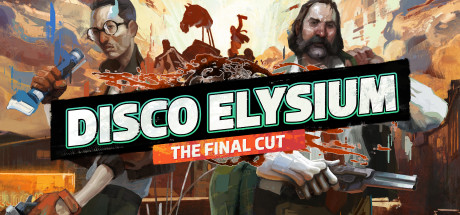
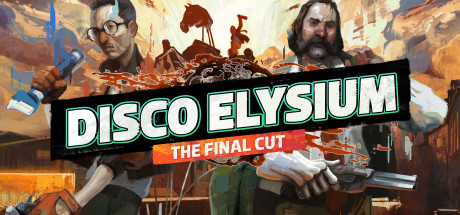
1. Disco Elysium - The Final Cut, best dialogue-driven mystery
Disco Elysium - The Final Cut is the ZA/UM RPG where every “skill” is part of your protagonist’s psyche, and every line you read is a choice. There’s no combat. The murder investigation can end in five different ways, your political leaning rewires entire conversations, and your character can die from heartbreak in a karaoke bar. The Final Cut added full voice acting and four new political quests. Disco Elysium for narrative-driven RPGs in 2026 is still the high-water mark for “your choices change the text on the page.”
Where it falls short: The first hour is heavy on text and light on payoff. Players who need an action loop won’t reach the middle.
Pricing:
- Free: None
- Paid: $39.99, regularly $9.99 on sale
- Platforms: Windows, macOS, Linux
Bottom line: Required reading for anyone who cares about what choice means inside a game.
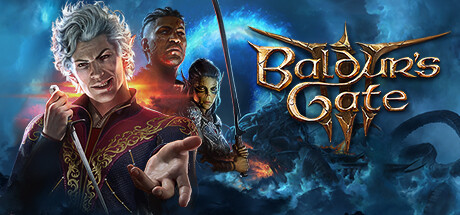
2. Baldur’s Gate 3, best tactical RPG with real consequences
Baldur’s Gate 3 turned the tabletop D&D format into the highest-budget narrative-driven RPG ever shipped. Companions leave or die based on your choices. Entire acts can be skipped or unlocked depending on whom you sided with in earlier ones. Larian shipped a year of free patches after launch, Patch 7 added the official toolkit and Patch 9 added cross-save with the console versions. Baldur’s Gate 3 for narrative-driven RPGs in 2026 is the gold standard for budget meets branching.
Where it falls short: Length is a real commitment. The combat is excellent but turn-based; players who hate the rhythm should look elsewhere.
Pricing:
- Free: None
- Paid: $59.99
- Platforms: Windows, macOS
Bottom line: Pick this if you want the most complete modern expression of the genre.
3. Pillars of Eternity II: Deadfire, best for faction politics
Pillars of Eternity II: Deadfire is Obsidian’s pirate-fantasy sequel to the 2015 spiritual successor of the classic Infinity Engine RPGs. The Deadfire Archipelago has four major factions, and the game tracks your standing with all of them simultaneously. End-game outcomes change based on whom you allied with, whom you betrayed, and which gods you chose to defy. Pillars of Eternity II for narrative-driven RPGs in 2026 still has the deepest faction-reactivity system in the genre.
Where it falls short: Real-time-with-pause combat is a learning curve for newer players. Naval sections are divisive.
Pricing:
- Free: None
- Paid: $49.99, Ultimate Edition with all DLC $59.99
- Platforms: Windows, macOS, Linux
Bottom line: The pick when “your choices change which faction rules at the end” is what you came for.
4. Pentiment, best short narrative pick
Pentiment is Obsidian’s 16th-century Bavarian murder mystery, drawn in the style of illuminated manuscripts. The 15-20 hour campaign covers 25 years of one town’s history, and the choices you make in act one ripple through act three. The art style alone is worth the price; the branching changes who lives, who flees, and which buildings remain standing. Pentiment for narrative-driven RPGs in 2026 is the right pick when you can’t commit 80 hours.
Where it falls short: No combat at all. Players expecting a traditional RPG loop won’t find one. Save scumming is harder than in most narrative games, many decisions are committed before you realise.
Pricing:
- Free: None
- Paid: $19.99
- Platforms: Windows, macOS, Linux
Bottom line: Pick this when the next narrative RPG needs to clear in a fortnight.
5. Pathfinder: Kingmaker, best for kingdom-building consequences
Pathfinder: Kingmaker is Owlcat’s adaptation of Paizo’s tabletop campaign where your party founds a barony and you spend the long middle of the game managing it. The kingdom mechanics fold every choice in the main quest into your settlement’s stability, alignment, and survival. Pathfinder: Kingmaker for narrative-driven RPGs in 2026 is the right pick for the player who wants their decisions to show up in the map screen and not just the dialogue log.
Where it falls short: Kingdom management has timed events that punish exploration. The Enhanced Edition and Definitive Edition both smoothed the worst of this; the original 1.0 release was infamous. Combat is real-time-with-pause and complex.
Pricing:
- Free: None
- Paid: $39.99, Definitive Edition with all DLC $49.99
- Platforms: Windows, macOS, Linux
Bottom line: Pick this when you want consequences to show up in a town you built.
6. Planescape: Torment: Enhanced Edition, best for philosophy with a sword
Planescape: Torment: Enhanced Edition is Beamdog’s 2017 polish of the 1999 Black Isle classic, the RPG that asked “what can change the nature of a man?” before any other game tried. The Enhanced Edition reworks the UI, fixes the Infinity Engine bugs, and leaves the writing alone, which was always the point. Planescape: Torment for narrative-driven RPGs in 2026 is the lineage starting point that Disco Elysium openly cited.
Where it falls short: Combat is the weakest part of the game by far. Real-time-with-pause Infinity Engine combat shows its age. Some players never finish because the encounters drag.
Pricing:
- Free: None
- Paid: $19.99, frequently $4.99 on sale
- Platforms: Windows, macOS, Linux
Bottom line: Pick this to read the most quoted RPG ever made.
7. Citizen Sleeper, best tabletop sci-fi pick
Citizen Sleeper is Jump Over The Age’s tabletop-feel narrative RPG set on a derelict space station. Each day, you roll dice and assign them to clocks (the same UI rhythm as a Blades in the Dark session), and your choices push storylines forward or close them off. The 2024 sequel Citizen Sleeper 2: Starward Vector expanded the system across a ship and a star cluster. Citizen Sleeper for narrative-driven RPGs in 2026 is the right pick when the next session needs to fit in two evenings.
Where it falls short: No traditional combat, no traditional party. The “stats” system clicks for tabletop players faster than for RPG-fans coming from BG3.
Pricing:
- Free: None
- Paid: $19.99, often bundled with DLC for $24.99
- Platforms: Windows, macOS, Linux
Bottom line: Pick this when the genre needs to feel like a quiet TTRPG instead of an epic.
8. Tyranny, best for playing the evil empire
Tyranny is Obsidian’s 2016 RPG where you start the game already working for the conquering tyrant. The prologue compresses an entire war into 30 minutes of choices, and the four acts that follow play out depending on which conquering force you sided with first. Tyranny for narrative-driven RPGs in 2026 remains the best “you are not the hero” RPG: most of the consequence work happens before the main game’s combat even starts.
Where it falls short: Act 3 ends abruptly compared to acts 1 and 2, Obsidian’s original outline was longer than the budget allowed. Real-time-with-pause combat is competent but not the highlight.
Pricing:
- Free: None
- Paid: $24.99, Gold Edition with DLC $29.99
- Platforms: Windows, macOS, Linux
Bottom line: Pick this when “what if you played for the bad guys” is the question you want answered.
How to pick the right one
- If you want the modern peak of branching: Baldur’s Gate 3.
- If choice is what you came for and combat is optional: Disco Elysium.
- If the next session needs to fit in 15-20 hours: Pentiment.
- If you want your choices to rebuild a town: Pathfinder: Kingmaker.
- If faction politics are the point: Pillars of Eternity II: Deadfire.
- If you want to walk the lineage that made Disco Elysium possible: Planescape: Torment.
- If the rhythm of a tabletop session is what you miss: Citizen Sleeper.
- If you want to play for the empire: Tyranny.
FAQ
What is the best narrative-driven RPG of all time?
Disco Elysium and Planescape: Torment top most lists; Baldur’s Gate 3 is the consensus modern pick. The right answer depends on whether you want the heaviest branching (Disco Elysium), the deepest companions (Baldur’s Gate 3), or the historical lineage that made both possible (Planescape: Torment).
Are there narrative RPGs without combat?
Yes. Disco Elysium has skill checks but no combat at all. Pentiment and Citizen Sleeper are dialogue-and-decision games with no fight scenes. Each of the three sells around 30-40 hours of choice-driven play.
What is the cheapest narrative RPG on Steam?
Planescape: Torment Enhanced Edition drops to $4.99 in regular sales. Disco Elysium goes to $9.99. Citizen Sleeper, Pentiment, and Tyranny all routinely hit $7-$12 on Steam seasonal sales.
What’s the shortest narrative-driven RPG?
Citizen Sleeper at 8-12 hours, then Pentiment at 15-20 hours. Both deliver complete branching arcs in that time. The 80-hour epics are Baldur’s Gate 3 and Pathfinder: Kingmaker.
Do my choices in The Witcher 4 actually matter?
The Witcher 4 hasn’t shipped yet. CD Projekt have said publicly that the choice-consequence system will swing closer to The Witcher 2’s model than The Witcher 3’s. In the meantime, the games on this list deliver the branching the conversation is asking for.
Does Mass Effect Legendary Edition belong on this list?
Mass Effect’s consequence system is closer to Witcher 3’s than to Disco Elysium’s: it tracks your decisions in a save file, but the big branching is concentrated at the end of each game rather than across the campaign. It’s a great series, it’s not the same flavour as the eight above.