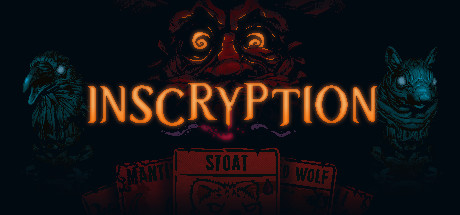
The horror deckbuilder is no longer a curiosity. Inscryption made the genre playable for people who weren’t sure card games could be scary, and a steady run of dark-fantasy and folk-horror roguelikes has followed. Polygon’s recent piece on Don’t Let It Starve flagged how starved fans still are for new entries in this small but growing space. While we wait for that one and other 2026 releases, plenty of horror deckbuilder roguelikes already deserve a spot in your Steam library.
We tested seven horror-flavored card roguelikes on Windows, macOS, and Linux desktop. They span pure horror experiences, dark fantasy roguelikes, and the deck-adjacent games that share the same dread-laden tone.
What to look for in a horror deckbuilder
A few qualities separate a good horror deckbuilder from a regular one:
- Tone integration, not skin. The horror should change how you play, not just how the cards look. Inscryption asks you to sacrifice card art irreversibly to fuel summons. That’s tone integration. A skull on every card is just a skin.
- Risk that punishes you, not the run. The best horror deckbuilders make you pay for power across the campaign, not just inside one fight.
- Endings worth chasing. Roguelikes ask you to die a lot. Multiple endings, hidden paths, or unlockable modes give the loop a reason to keep going.
- Audio that does work. Horror lives in the audio mix more than the visuals. Headphones make a real difference.
- Build depth. Even short runs need real decision space. A deckbuilder that funnels every run toward the same dominant strategy gets old fast.
Quick comparison
| Game | Best for | Platforms | Free demo | Starting price | Standout feature |
|---|---|---|---|---|---|
| Inscryption | Genre-defining horror experience | Win, Mac, Linux | No | $19.99 | Meta-narrative shifts mid-run |
| Tainted Grail: Conquest | Dark fantasy roguelike | Win, Mac | No | $29.99 | 9 distinct hero classes |
| Library of Ruina | Anime psychological horror | Win, Mac | No | $24.99 | Multi-page tactical combat |
| Ring of Pain | Minimalist horror roguelike | Win, Mac, Linux | No | $14.99 | Circular UI design |
| Black Book | Russian folk horror | Win, Mac, Linux | Yes | $19.99 | Card-based folk magic |
| Cult of the Lamb | Cult-management roguelite | Win, Mac, Linux | No | $24.99 | Cult and combat layer |
| Slay the Spire | Deckbuilder foundation | Win, Mac, Linux | No | $24.99 | Three character archetypes |
The games
1. Inscryption — best for genre-defining horror experience
Inscryption is the reason this list exists. Daniel Mullins built a deckbuilder where you start as a captive in a cabin, playing a card game against a shadowy opponent who watches you across the table. The meta-narrative twists mid-run, the cards include creatures and items that feel found rather than designed, and the multiple gameplay layers (Kaycee’s Mod adds a roguelike daily mode on top of the campaign) give the package real long-term depth.
Where it falls short: act 2 is the most divisive. Some players love the broader scope, others miss act 1’s intimacy. The pacing reset is a real adjustment.
Pricing: $19.99 on Steam. Often $9.99 on sale. The Kaycee’s Mod expansion is free.
Platforms: Windows, macOS, Linux.
Download: Steam
Bottom line: the genre’s reference point and the right starting purchase if you haven’t played it.
2. Tainted Grail: Conquest — best for dark fantasy roguelike fans
Tainted Grail: Conquest is the deepest dark fantasy roguelike deckbuilder on PC. Awaken Realms built a single-character roguelike where you pick from nine increasingly dark hero archetypes (Wyrdhunter, Sorcerer, Sentinel, Pathfinder, Death Bound, Apostate, Cursed Smithy, Bonespear, Berserker), each with different card pools and meta-progression layers.
Where it falls short: the tutorial is sparse, the lore assumes familiarity with Tainted Grail’s tabletop universe, and the audio mix can be uneven.
Pricing: $29.99 on Steam. Regular $14.99 on sale.
Platforms: Windows, macOS.
Download: Steam
Bottom line: the deepest single purchase on this list for fans of dark-fantasy character builds.
3. Library of Ruina — best for anime psychological horror
Library of Ruina is Project Moon’s sequel to Lobotomy Corporation, and the studio’s dedication to weaving cosmic horror into systems design is unmatched. Combat uses card-based dice rolls across a multi-page system that lets you plan an entire encounter as a small tactical operation. The lore is dense, the writing is unhappy in productive ways, and the audio work alone justifies the install.
Where it falls short: the learning cliff is the steepest on this list. Expect to spend the first 10 hours confused.
Pricing: $24.99 on Steam. Frequently $11.99 on sale.
Platforms: Windows, macOS.
Download: Steam
Bottom line: pick this if you want a horror deckbuilder that respects your time enough to ask for real commitment in return.
4. Ring of Pain — best for minimalist horror
Ring of Pain is the minimalist entry. Twice Different’s circular UI puts you at the center of a ring of cards and asks you to pick one to interact with each turn. Combat, items, and exits all share the same ring, and the horror tone comes from the audio mix and the constraint of always having to move forward.
Where it falls short: the small scope means runs are short and the meta-progression is light.
Pricing: $14.99 on Steam. Often $4.49 on sale.
Platforms: Windows, macOS, Linux. Steam Deck verified.
Download: Steam
Bottom line: the best low-cost pick on the list and the easiest to play during a single sitting.
5. Black Book — best for folk horror
Black Book is the Russian folk horror deckbuilder built around the Slavic folklore of the late 1800s. Morteshka cast you as a young woman who lost her fiancé and now bargains with demons through a literal black book of seven sealed pages. The card-based folk magic system is genuinely original, and the source material is unique on PC.
Where it falls short: the pacing is slower than Inscryption or Ring of Pain. This is a horror deckbuilder with a long campaign arc, not a rapid-fire roguelike.
Pricing: $19.99 on Steam. Frequently $4.99 on sale. Demo available.
Platforms: Windows, macOS, Linux.
Download: Steam
Bottom line: pick this for a horror deckbuilder grounded in real folk traditions and a narrative campaign that pays off.
6. Cult of the Lamb — best for cult-management roguelite
Cult of the Lamb is the genre-blender on the list. Massive Monster combined a roguelite combat layer (which uses light deck-adjacent weapon swapping rather than full deckbuilding) with a cult management base layer between runs. The visual style is bright and cute on the surface, but the underlying mechanics involve sacrifice, indoctrination, and pretty grim outcomes.
Where it falls short: not a pure deckbuilder. Combat is action-roguelite with weapon decisions.
Pricing: $24.99 on Steam. Regularly $14.99 on sale.
Platforms: Windows, macOS, Linux.
Download: Steam
Bottom line: pick this if you want horror tone embedded in a broader game and don’t insist on every system being card-based.
7. Slay the Spire — best for genre foundation
Slay the Spire is the roguelike deckbuilder that defined the modern genre, and despite not being horror specifically, the climb up the Spire feels increasingly dread-laden as floors escalate. Several community mods (especially Downfall, which makes the game’s enemies playable) add a horror layer the base game flirts with. Slay the Spire 2 is in early access at time of writing.
Where it falls short: the base game is not horror in tone. You’re here for the deckbuilding foundation more than the atmosphere.
Pricing: $24.99 on Steam. Frequently $9.99 on sale.
Platforms: Windows, macOS, Linux. Steam Deck verified.
Download: Steam
Bottom line: the foundation every entry on this list reacts to, and worth playing first if you haven’t.
How to pick
If you have never played a horror deckbuilder, start with Inscryption. The campaign is short, the tone is the genre’s reference, and the price is fair.
If you want the deepest single purchase, Tainted Grail: Conquest with all its character classes will keep you busy for over 100 hours.
If you want a horror tone you can play in short sessions, Ring of Pain is the lightweight pick that respects your time.
If you want horror grounded in real folk traditions, Black Book is the most unique single experience on the list.
If you already love deckbuilders generally and just want one more, Library of Ruina is the deepest puzzle on the list, while Slay the Spire is the foundation worth revisiting.
FAQ
What is the scariest deckbuilder? Inscryption is generally agreed to be the most committed to horror tone. Library of Ruina goes deeper into psychological horror, and Black Book draws on real folk traditions for unsettling effect.
Is Cult of the Lamb a deckbuilder? Not strictly. Combat is action-roguelite with weapon swapping, not card-based. It’s on this list for tone overlap, not mechanics.
What is the cheapest horror deckbuilder? Ring of Pain at $14.99 list is the lowest priced entry on this list. It also discounts to under $5 frequently.
Does Inscryption work on Steam Deck? Yes. Inscryption is Steam Deck verified and runs cleanly at native resolution.
Are there any free horror deckbuilders? Slay the Spire’s free demo (when running) is the closest to a free trial of the foundation. Inscryption’s demo is no longer maintained but pirated copies sometimes circulate as the original demo. Beyond that, the genre is paid-only at the moment.