Junji Ito: Strange finally landed the mix of unsettling terror and dark comedy that Ito’s manga is known for, and the reception put body horror back in every horror discussion this month. It’s a specific sub-genre. Not slasher, not survival horror in the Resident Evil-4 sense — body horror is the game whose enemies are wrong in a way you can’t unsee, whose environments look like tissue, and whose mechanics keep asking you to touch something that shouldn’t move. We tested seven body horror games for desktop that deliver on that specific skin-crawl.
Everything here runs on Windows. Some support macOS through workarounds; Signalis is the outlier that works well on Steam Deck.
What to look for in a body horror game
The genre has its own criteria. Aim first-person or third-person shooter tuning won’t tell you anything about it:
- Environment tissue. Scorn’s Giger-inspired corridors. The Callisto Protocol’s biophage overgrowth. If the walls look like meat, you’re in the right sub-genre.
- Enemy dysmorphia. Body horror enemies aren’t scary because they’re strong; they’re scary because their proportions are wrong. Necromorphs and biophage forms both do this.
- Mechanical body-participation. Games where you have to remove a parasite, dismember an enemy, or perform “surgery” push the sub-genre further. Dead Space’s strategic dismemberment is the standard.
- Sound design. Wet sounds. Breathing sounds. Sounds that pause when the enemy sees you. Signalis and Scorn are exceptional here.
- Restraint. The best body horror knows when to leave the wound off-screen. Games that over-splatter dilute the effect.
Quick comparison
| Game | Best for | Length | Standout |
|---|---|---|---|
| Scorn | Pure Gigeresque environmental horror | 6–8 hours | Machinery you operate with your own body |
| Dead Space Remake | Strategic-dismemberment shooter | 12–15 hours | Reactive plasma-cutter combat, remastered fidelity |
| The Callisto Protocol | Cinematic biophage brawler | 12 hours | Melee-focused body horror combat |
| Cronos: The New Dawn | Bloober’s newest body horror | 12–18 hours | Time-loop body-fusion mechanic |
| The Thing: Remastered | The 2002 classic, cleaned up | 8–10 hours | Trust mechanic under mutation threat |
| Signalis | Retro-inspired psychological body horror | 8–12 hours | Fixed camera, resource-tight survival |
| System Shock Remake | Cyberpunk body horror on Citadel | 15–20 hours | Nightdive’s remaster of the FPS-RPG original |
The 7 body horror games we tested
1. Scorn — best pure Gigeresque environmental horror
Scorn is the closest a game has come to putting you inside an H.R. Giger painting. Every wall, every door, every machine is bone-and-tissue architecture, and the puzzle design (operate this device with your own hand; feed this mechanism a still-living creature) makes the environment feel implicated. Combat is deliberately awkward — Scorn wants you to hate every fight.
Where it falls short: Combat design is polarising; some players find it frustrating rather than tense. Story is delivered without dialogue; either fits or doesn’t.
Pricing: $40 base. Sales drop it to around $20.
Platforms: Windows.
Bottom line: The pick for pure environmental body horror. Skip if you want combat-first tension.
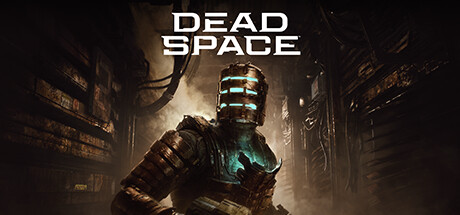
2. Dead Space Remake — best strategic-dismemberment shooter
Dead Space Remake is the definitive version of the strategic-dismemberment loop. Necromorphs die when you sever the right limb, plasma-cutter shot placement matters more than firepower, and the reworked audio design lands the tension better than the original. The Ishimura is a horror level that hasn’t aged out.
Where it falls short: The remake follows the original almost beat-for-beat; returning players know every jump. Some late-game encounters lean on ammo denial too hard.
Pricing: $70 base; deep sales under $30.
Platforms: Windows.
Bottom line: The genre-defining pick. Best entry point for anyone new to body horror as a mechanic, not just a vibe.
3. The Callisto Protocol — best cinematic melee brawler
The Callisto Protocol shipped rough and got much better across patches and its Final Transmission DLC. The biophage-mutation body horror is stronger than the launch reception suggested, the melee combat rewards dodging and counter-timing, and the shock-baton loop feels distinct from Dead Space’s ranged emphasis.
Where it falls short: Weak in the middle act; several set-pieces reuse arenas. Cinematic death animations become repetitive.
Pricing: $60 base; deep sales under $20.
Platforms: Windows.
Download: Steam · Epic Games Store
Bottom line: Pick this after Dead Space if you want a melee-first take on similar horror. Not the pick if you disliked its uneven pacing.
4. Cronos: The New Dawn — Bloober's time-loop body fusion
Cronos: The New Dawn is Bloober Team’s follow-up to the Silent Hill 2 Remake, released in 2025. The mechanical hook — enemies fuse with dead bodies you leave behind, meaning every fight has aftermath — turns level design into a body-horror puzzle. Time-loop structure adds replay incentive.
Where it falls short: Combat pacing is uneven early on. Story swings from focused to melodramatic across chapters.
Pricing: $60 base.
Platforms: Windows.
Download: Steam
Bottom line: Pick this for the mechanical body horror twist. Skip if Bloober’s earlier games didn’t land for you.
5. The Thing: Remastered — the 2002 cult classic, cleaned up
The Thing: Remastered is Nightdive’s revival of the 2002 game that carried John Carpenter’s blessing. The trust mechanic — squadmates can be infected by the Thing and turn on you mid-mission — remains the sharpest body horror social system ever put in a game. The remaster resolves the original’s PC compatibility issues and polishes textures without repainting the design.
Where it falls short: Movement and shooting show their age even with the polish. Some difficulty spikes read as unfair rather than tense.
Pricing: $30 base; sales under $15.
Platforms: Windows.
Bottom line: Pick this to play a piece of body-horror history in a form modern PCs run. Not the pick if you can’t tolerate 2002-era shooter feel.
6. Signalis — best retro-inspired psychological body horror
Signalis is a fixed-camera survival horror indie that trades big-budget gore for design discipline. Resource management is tight, the enemy design leans into disturbing rather than shocking, and the story unfolds through environmental and terminal reading rather than cutscenes. Runs well on modest hardware and Steam Deck.
Where it falls short: Slower pace than the shooters on this list. Fixed camera puts off some players.
Pricing: $20 base; sales under $10.
Platforms: Windows.
Bottom line: The pick when you want body horror that lands through restraint and design. Runs on anything.
7. System Shock Remake — best cyberpunk body horror
System Shock Remake by Nightdive is the definitive version of Citadel Station’s cyborg-and-mutant horror. SHODAN’s cybernetic-flesh body horror sits inside an FPS-RPG loop with real level exploration, and the pacing between combat, hacking, and reading is stronger than any modern shooter. Wraparound Enhanced Edition adds quality-of-life since the 2023 release.
Where it falls short: Progression is old-school; some players want more hand-holding. Cyberspace sections divide the fanbase.
Pricing: $40 base; sales under $20.
Platforms: Windows.
Bottom line: Pick this for cyberpunk body horror with actual level design. The most complete package on the list.
How to pick the right one
- If you want the environment itself to be the horror: Scorn.
- If you want a body horror shooter with tactical dismemberment: Dead Space Remake.
- If you want melee-focused biophage combat: The Callisto Protocol.
- If you want a modern body-horror puzzle with a time-loop hook: Cronos: The New Dawn.
- If you want to play a piece of body-horror history: The Thing: Remastered.
- If you want restraint and design over gore: Signalis.
- If you want a full FPS-RPG with cyberpunk body horror: System Shock Remake.
Junji Ito’s mix of horror and dark comedy is closest to Scorn and Signalis for tone. Dead Space and The Callisto Protocol hit the mechanical body-horror side. Between them, they cover the full range.
FAQ
What is the best body horror game on PC? Dead Space Remake for mechanical depth, Scorn for pure environment, Signalis for restraint. All three define the sub-genre from different angles.
Is Scorn actually scary or just gross? It’s environmentally tense rather than jump-scary. If you want jumps, Dead Space or Callisto Protocol land more.
Does body horror require gore? No. Signalis and Scorn get more mileage from suggestion than blood. Restraint is often the more effective mode.
What’s the closest game to Junji Ito’s work? Scorn for the wrongness of the environment, Signalis for the mood, and the Layers of Fear series (Bloober) for the surreal comedy edge. No game maps 1:1 onto Ito.
Do any of these run on Steam Deck? Signalis runs excellently. Scorn and Dead Space Remake are playable with tuning. The rest are Windows-first, with Deck performance varying.