Saw: Genesis is the first asymmetric horror game in years that pulls people away from Dead by Daylight, and the genre is healthier for it. Eight games matter right now, each pitching a different ratio of stalking, scrambling, and screaming. We sorted them by who they actually serve, with notes on the killer design, the survivor loop, and whether the queues are alive at off-peak hours.
What to look for in an asymmetric multiplayer horror game
Player counts are the first thing to check. Most games here are 4v1, but VHS goes 4v1 with a twist, Outlast Trials goes coop without a killer at all, and Saw: Genesis adds objectives that change the headcount mid-match. Queue health matters at the next level: a beautiful killer-versus-survivor loop is meaningless if matchmaking takes ten minutes.
Beyond that, look at how each game punishes mistakes. Some are stealth-first, some are chase-first, some are puzzle-first. Cross-platform progression and lobby tools also matter for groups, since dedicated friends elevate every game in this list above its solo experience.
Quick comparison
| Game | Best for | Mode | Free plan | Starting price | Steam rating |
|---|---|---|---|---|---|
| Dead by Daylight | The genre default with the deepest roster | 4v1 | No, full price | About $20 base | Very Positive |
| The Texas Chain Saw Massacre | Slower-paced 4v3 stalking | 4v3 | No | About $40 | Mostly Positive |
| The Outlast Trials | Co-op horror without a killer player | 1–4 co-op | No | About $40 | Very Positive |
| Evil Dead: The Game | Loud, group-of-friends horror | 4v1 | No | About $40 | Mixed |
| Identity V | Free-to-play, lighter art style | 4v1 | Yes | $0 | Very Positive |
| VHS | Strategy-heavy chase loop | 4v1 | Yes | $0 | Mostly Positive |
| Predator: Hunting Grounds | Power-fantasy killer, FPS feel | 4v1 | No | About $40 | Mixed |
| Saw: Genesis | Objective-twisted DBD spin | 4v1+ | No | TBD launch price | Pre-release buzz |
The games
1. Dead by Daylight — Best for the deepest killer roster
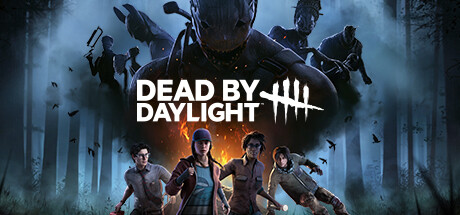
Dead by Daylight has nine years of killer chapters in the bank, from Michael Myers to Chucky to Alan Wake to the Five Nights crew. The chase loop is fast, the survivor toolset is wide, and queue times are the healthiest in the genre. The Walking Dead chapter in 2026 added one more horror IP into a roster that already covers most of the genre’s heavy hitters.
Where it falls short: New killer chapters cost real money. The meta is grindy, and matchmaking still struggles to pair fresh accounts with appropriate opponents.
Pricing:
- Free: Frequent free-weekends on Steam
- Paid: Base game around $20, killer chapters around $7 each
Platforms: Windows, with cross-progression on consoles.
Download: Steam
Bottom line: Still the king. Start here unless you specifically want something different.
2. The Texas Chain Saw Massacre — Best for slow-burn stalking
The Texas Chain Saw Massacre flips the standard 4v1 to 4v3, giving the killer side a small posse and the survivors a longer, more methodical escape. Sound design carries every match; the basement-style maps feel claustrophobic in a way DBD’s open arenas don’t.
Where it falls short: The pace will bore people who picked up DBD for chase mechanics. Cosmetic monetization has crept in since launch.
Pricing:
- Free: No
- Paid: Around $40, with seasonal DLC
Platforms: Windows.
Download: Steam
Bottom line: Pick this when DBD chases feel too arcade-y. Skip if you bounce off slow horror.
3. The Outlast Trials — Best for co-op horror
The Outlast Trials is the odd one out, a 1-to-4-player co-op horror experience set in the Outlast universe. There is no killer player. AI threats and trap-laden facilities replace them. The loop is shorter than DBD’s, the atmosphere is louder, and friend groups burn through it fast.
Where it falls short: Endgame replayability depends on a steady drip of Murkoff programs. Solo play exists but the game expects you to bring friends.
Pricing:
- Free: Free weekends occasionally
- Paid: Around $40
Platforms: Windows.
Download: Steam
Bottom line: The pick when nobody in the friend group wants to be the killer.
4. Evil Dead: The Game — Best for loud Friday-night sessions
Evil Dead: The Game is the loud option. The Kandarian Demon possesses the world to harass survivors, the survivors loot for shotguns, and matches end in a final confrontation with real Bruce Campbell voice lines. The campaign mission system adds solo and co-op options for groups that don’t want PvP every night.
Where it falls short: Population dipped after the first year, and matchmaking is now slower than DBD. Some content gates behind co-op completions that demand friends.
Pricing:
- Free: No
- Paid: Around $40, regular sales drop it to $10
Platforms: Windows.
Download: Steam
Bottom line: Worth it on sale for a five-friend night. Avoid as a solo daily driver.
5. Identity V — Best free-to-play option
Identity V is the most polished free entry in the genre. NetEase’s Tim Burton-flavoured art lands harder than its premise suggests, and the game has run continuously since 2018 with a healthy collaboration cadence (Persona 5, Sanrio, Resident Evil). The survivor toolkit lets you spec for healer, decoder, kiter, or rescuer roles.
Where it falls short: Mobile-first roots show in the UI. Gacha-style cosmetics drive monetization.
Pricing:
- Free: Yes
- Paid: Cosmetic gacha, optional pass
Platforms: Windows.
Download: Steam
Bottom line: The cheapest entry to the genre, and a real game rather than a thin demo.
6. VHS — Best for strategy-first chase mechanics
VHS takes the 80s slasher VHS-tape aesthetic and wraps it around a deeper strategy loop than DBD. Teens build movement skills, scout map layouts, and coordinate to trap the killer rather than just dodge them. Free-to-play, with cosmetics as the only paywall.
Where it falls short: Smaller population than DBD. Matches against a low-skill killer are quick; high-skill killer rounds turn brutal fast.
Pricing:
- Free: Yes
- Paid: Cosmetics
Platforms: Windows.
Download: Steam
Bottom line: A good second home if DBD’s chase logic has stopped feeling fresh.
7. Predator: Hunting Grounds — Best for FPS-style killer fantasy
Predator: Hunting Grounds plays the Predator as a vertical, ranged power fantasy with a thermal vision toggle and a plasma caster, while four soldiers run a mission and try not to die. It’s the only major asymmetric game where the killer role uses FPS movement, which makes it appealing to people who don’t want melee chase mechanics.
Where it falls short: Population fluctuates with each content drop. Soldier balance still tilts in their favour at the top of the skill curve.
Pricing:
- Free: No
- Paid: Around $40
Platforms: Windows.
Download: Steam
Bottom line: Pick this when you want the killer role to feel like Doom Guy, not Michael Myers.
8. Saw: Genesis — Best for objective-driven horror
Saw: Genesis uses the Saw franchise to add mid-match objectives that twist the standard four-versus-one frame. Survivors face Jigsaw’s traps as objectives, not random hazards, which forces real choice between escape and self-preservation. The pre-release builds shown at Summer Game Fest are the strongest pitch the genre has had in years.
Where it falls short: Pre-release. Final pricing, roster, and live-ops cadence aren’t confirmed yet.
Pricing:
- Free: TBD
- Paid: Launch price not finalized
Platforms: Windows expected at launch.
Download: Steam
Bottom line: Wishlist now, play at launch if the demo’s twist on the formula survives release.
How to pick the right one
- If you’ve never played the genre: Dead by Daylight.
- If DBD chases feel arcade-y: The Texas Chain Saw Massacre.
- If nobody wants to be the killer: The Outlast Trials.
- If you have four friends for one night: Evil Dead: The Game on sale.
- If you don’t want to spend money: Identity V or VHS.
- If you want a power-fantasy killer: Predator: Hunting Grounds.
- If you want something new: Saw: Genesis at launch.
Most groups end up rotating between DBD as the daily driver and one of the cheaper games as the change of pace.
FAQ
What is the most popular asymmetric horror game? Dead by Daylight, by a wide margin. It has the largest player count, the deepest killer roster, and the healthiest queues.
Is Dead by Daylight free? No. The base game costs around $20 on Steam, and individual killer chapters add up over time. Free weekends happen a few times a year.
Can you play asymmetric horror games solo? Most of them, yes, but the experience suffers. The Outlast Trials supports solo missions, and Evil Dead has a campaign mode. DBD, Texas Chain Saw, VHS, Identity V, Predator, and Saw: Genesis are built for matchmaking.
Is Saw: Genesis out yet? Not at the time of writing. Builds were shown at Summer Game Fest with a release window planned for late 2026.
Which asymmetric horror game has the best graphics? The Texas Chain Saw Massacre and Evil Dead: The Game lead on raw fidelity. Dead by Daylight’s art direction is stronger than its tech.