An XDA piece landed this week arguing that scheduling tasks inside ChatGPT is a real productivity booster because the assistant actually follows up. The claim tracks, but it also underplays what a dedicated AI scheduler does. The whole point of an AI task scheduler is that the day gets planned for you: tasks slot into free calendar blocks based on priority, focus energy, and interruption tolerance. We tested seven AI task schedulers for Windows, macOS, and Linux that go beyond one-shot reminders and plan the week.
What to look for in an AI task scheduling app
- Calendar-aware planning. The scheduler must see your meetings and route tasks around them. A reminder that ignores your 2 p.m. call is not a scheduler.
- Priority routing. Urgent work should displace nice-to-have work automatically, not sit under it.
- Reschedule on the fly. Real weeks slip. The good tools re-plan the remaining blocks in seconds when a task takes twice as long.
- Focus-time defaults. Uninterrupted deep-work blocks are the reason people pay for these apps.
- Native desktop clients. Web-only tools lose out during the exact moments you need them, which is when the browser has 40 tabs open.
Quick comparison
| App | Best for | Platforms | Free plan | Starting price/mo |
|---|---|---|---|---|
| Motion | Full auto-scheduling for busy weeks | Windows, macOS, Web | Trial only | $19 |
| Reclaim.ai | Google Calendar power users | Windows, macOS, Web | Yes | $10 |
| Sunsama | Daily planning ritual | Windows, macOS, Linux (web), Web | Trial only | $16 |
| Akiflow | Task-inbox triage | Windows, macOS, Web | Trial only | $19 |
| Trevor AI | Lightweight drag-to-schedule | Windows, macOS, Web | Yes | $4 |
| ChatGPT Tasks | Follow-ups inside ChatGPT | Windows, macOS, Web | Yes (Free tier) | Plus $20 |
| TimeHero | Team-project auto-planning | Windows, macOS, Web | Trial only | $10 |
The 7 best AI task scheduling apps for desktop
1. Motion, best full auto-scheduler
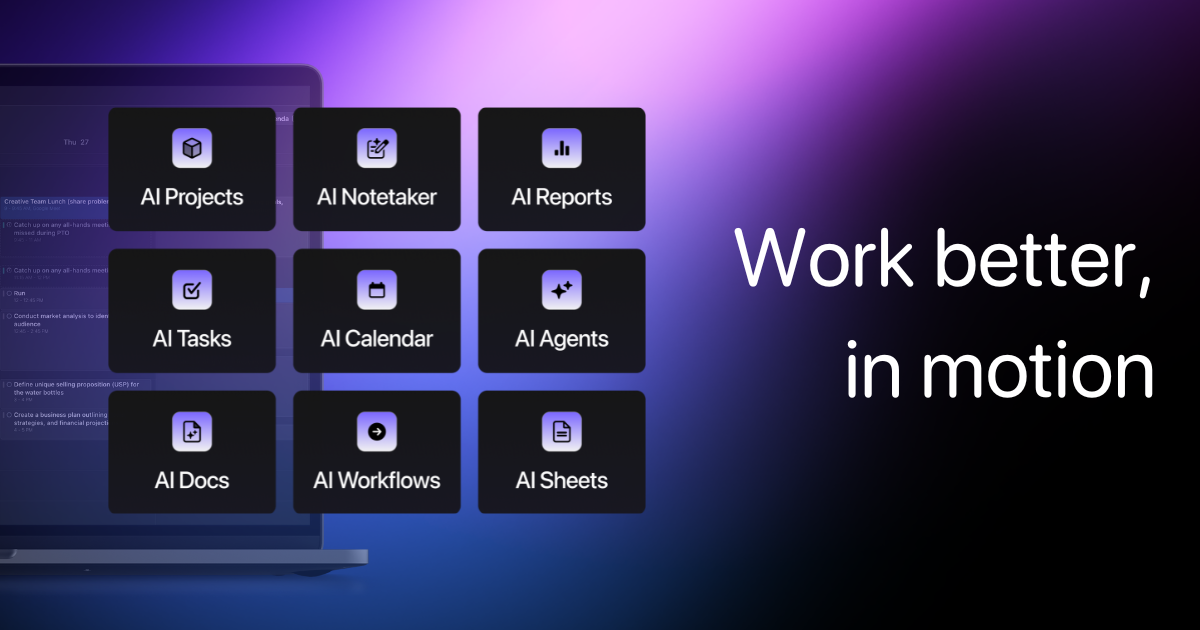
Motion goes furthest on the “let the software plan your day” premise. The scheduler ingests every task with a duration and deadline, then places it on your calendar automatically, respecting meetings, priorities, and working hours. When a task slips, the whole week reflows within a few seconds.
Where it falls short: The pricing is on the high end for individuals. The auto-scheduler is aggressive, and users who like manual control push back.
Pricing:
- Free: 7-day trial.
- Paid: $19/month for individuals, higher for teams.
Platforms: Windows, macOS, iOS, Android, web.
Download: Motion
Bottom line: The pick when you’re willing to hand the pen to the scheduler.
2. Reclaim.ai, best for Google Calendar heavy users
Reclaim.ai treats Google Calendar as the source of truth and adds a smart layer on top. Habits, tasks, and 1:1 slots get placed into your calendar automatically and defended against last-minute meeting invites. The free tier is generous enough to solo-user households.
Where it falls short: Google Calendar-only. Outlook and iCloud users are out. The mobile app trails the web experience.
Pricing:
- Free: unlimited habits and one-week horizon.
- Paid: from $10/month for the full feature set.
Platforms: Windows and macOS via PWA, iOS, Android, web.
Download: Reclaim.ai
Bottom line: The pick for anyone whose calendar already lives in Google Workspace.
3. Sunsama, best for daily planning ritual
Sunsama is a task planner disguised as a weekday routine. Every morning you pull tasks from Asana, Trello, GitHub, or Notion into a curated day, and the evening ritual asks what shipped. The AI features suggest realistic task durations and flag over-committed days.
Where it falls short: No aggressive auto-scheduling; the ritual assumes you’ll make the calls. Pricing is steep for what is fundamentally a wrapper around your existing tools.
Pricing:
- Free: 14-day trial.
- Paid: $16/month or $20/month billed monthly.
Platforms: Windows, macOS, Linux (via web), iOS, Android.
Download: Sunsama
Bottom line: The pick for practitioners of a daily-planning habit who resist letting software plan for them.
4. Akiflow, best task-inbox triage
Akiflow unifies inboxes from Gmail, Slack, Notion, Asana, and dozens more into a single triage queue, then schedules the accepted items directly onto your calendar. Keyboard shortcuts do the heavy lifting: capture in one hotkey, plan in another, review in the third.
Where it falls short: The interface is dense and takes a week to learn. Some integrations lag when the source tool updates its API.
Pricing:
- Free: 7-day trial.
- Paid: $19/month for individuals.
Platforms: Windows, macOS, iOS, Android, web.
Download: Akiflow
Bottom line: The pick if inbox chaos is the real bottleneck.
5. Trevor AI, best lightweight scheduler
Trevor AI is the smallest, cheapest tool in this list that still qualifies as an AI scheduler. Drag a task from the inbox onto the calendar, and Trevor suggests better-fitting slots and warns about conflicts. That’s the whole product, and for many users it’s the right amount.
Where it falls short: No aggressive auto-scheduling. No native desktop app, only PWA. Team features are basic.
Pricing:
- Free: unlimited tasks with basic scheduling.
- Paid: from $4/month for advanced features.
Platforms: Web-based (PWA on Windows, macOS, Linux), iOS, Android.
Download: Trevor AI
Bottom line: The pick when Motion feels like overkill and Google Tasks feels like undershoot.
6. ChatGPT Tasks, best inline follow-ups
ChatGPT Tasks is the feature the XDA writer was praising. Tell ChatGPT to remind you about something on Thursday, or to run a scheduled research query every Monday morning, and it delivers. Combined with the desktop apps for Windows and macOS, it becomes a decent lightweight scheduler for one-off follow-ups.
Where it falls short: Not a full scheduler. No calendar view, no priority routing, no reflow when tasks slip.
Pricing:
- Free: limited scheduled tasks on the free tier.
- Paid: ChatGPT Plus at $20/month unlocks the full task scheduling.
Platforms: Windows, macOS, iOS, Android, web.
Download: ChatGPT desktop
Bottom line: The pick when your scheduling needs are already inside your ChatGPT workflow.
7. TimeHero, best team-project auto-planner
TimeHero takes a project plan and distributes the work across the team’s calendars automatically. When someone falls behind, the schedule shifts across every assignee. Solo users can use it, but the value shows up with three or more people.
Where it falls short: Overkill for individuals. UI is dated compared to Motion or Sunsama.
Pricing:
- Free: 7-day trial.
- Paid: from $10/user/month.
Platforms: Windows, macOS, iOS, Android, web.
Download: TimeHero
Bottom line: The pick when the schedule is a shared team problem, not an individual one.
How to pick the right one
- If you want the day fully planned for you: Motion.
- If your world already runs on Google Calendar: Reclaim.ai.
- If you prefer a morning ritual over aggressive automation: Sunsama.
- If your bottleneck is inbox triage: Akiflow.
- If you want something free that still schedules smarter than Google Tasks: Trevor AI.
- If you’re already in ChatGPT all day and just want reminders: ChatGPT Tasks.
- If it’s a team problem, not a solo one: TimeHero.
FAQ
What is the best AI task scheduler for desktop?
Motion is the aggressive default when you want the software to make the calls. Reclaim.ai is the calmer, Google-Calendar-native alternative. Both run on Windows and macOS and are the two picks most users compare after a week of testing.
Can ChatGPT schedule my week automatically?
No. ChatGPT Tasks handles individual follow-ups on a schedule (a daily reminder, a weekly research query) but it does not lay out your full week around meetings, priorities, and deep-work blocks. Motion, Reclaim.ai, and Akiflow do.
Is there a free AI task scheduler for desktop?
Reclaim.ai has a free tier that covers most solo-user cases and works with Google Calendar. Trevor AI has a free tier that runs everywhere as a PWA. Both are strong starting points before paying for Motion or Sunsama.
Does Motion work with Outlook Calendar?
Yes. Motion supports Google Calendar, Microsoft 365 Outlook, and iCloud. Mixed-account households (personal Google plus work Microsoft) can connect both and let Motion plan across them.
What’s the difference between a to-do app and an AI task scheduler?
A to-do app lists what you want to do. An AI task scheduler places those items onto specific calendar blocks based on priority, duration, and free time. Motion, Reclaim.ai, and Akiflow do the second thing. Todoist, Things, and TickTick do the first.